
Appointment

Saturday: 08:00 - 14:00




Who is he?
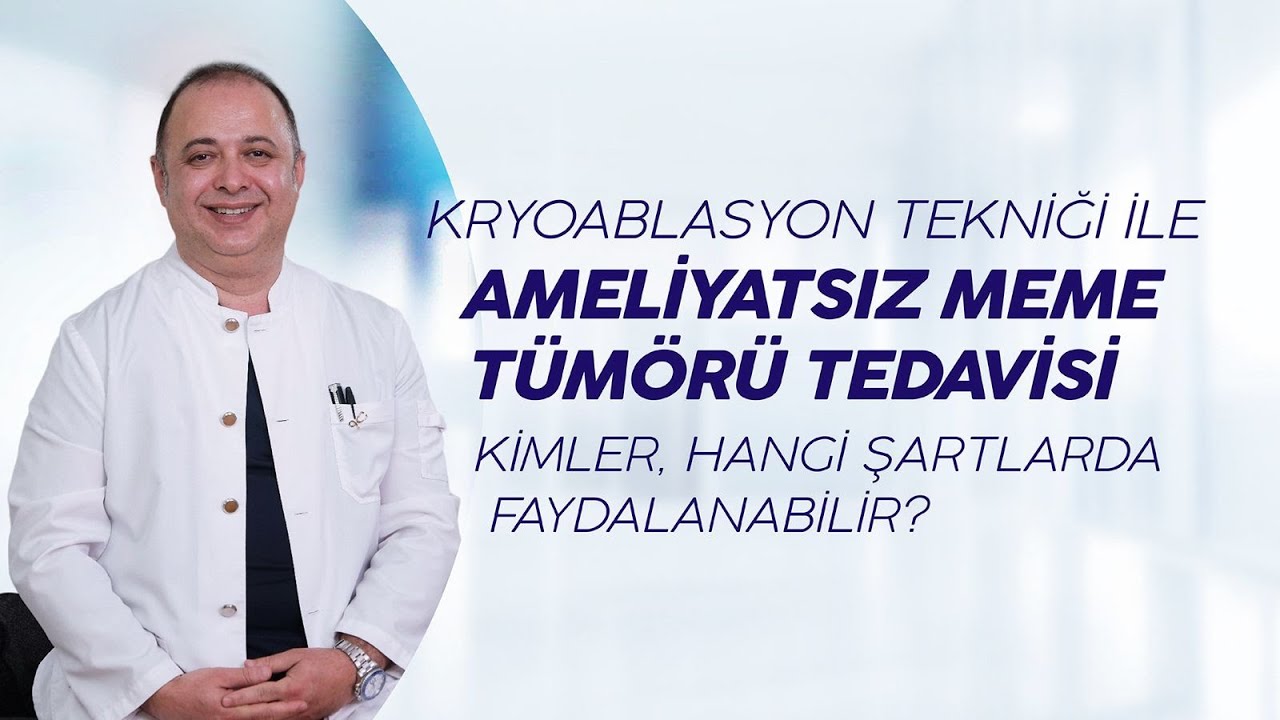
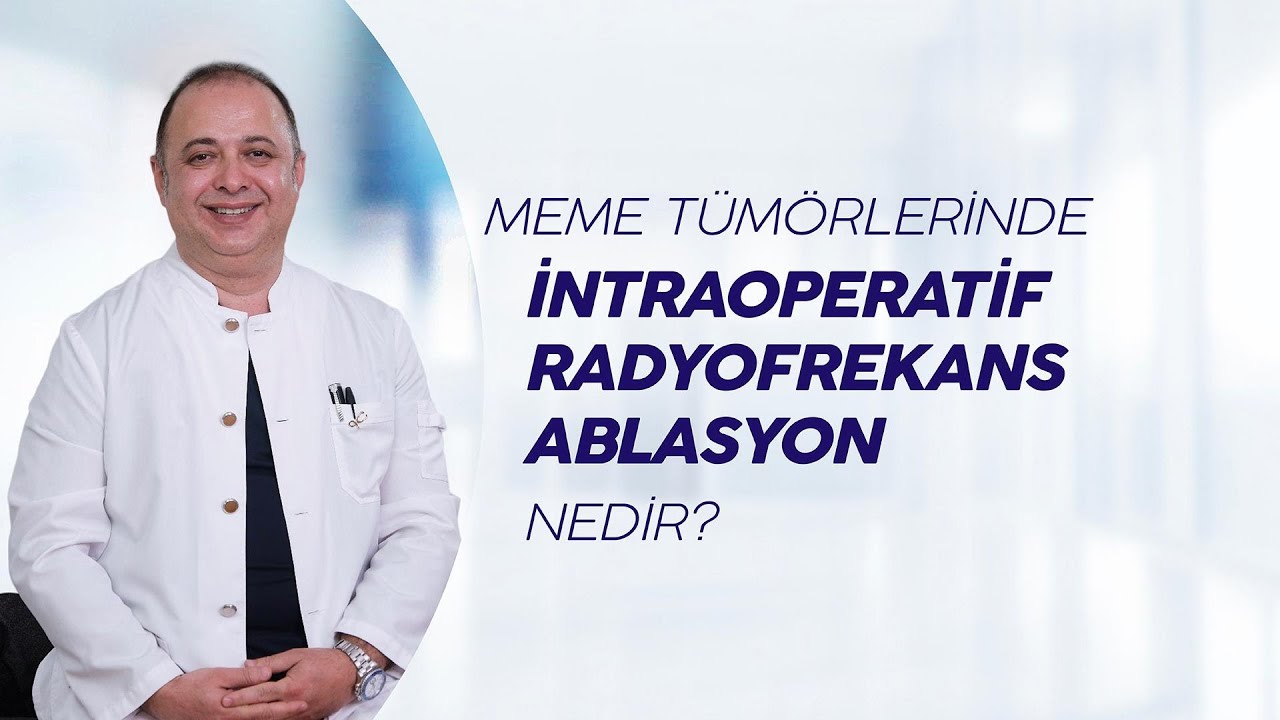
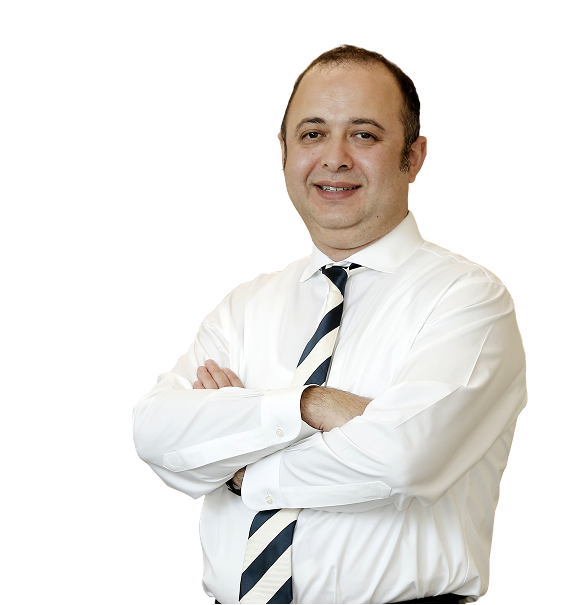
Dr. Osman Cem Yılmaz is a senior breast surgeon with over 26 years of experience in breast surgery and breast oncology. Throughout his career, he has performed over 10,000 breast surgery operations.
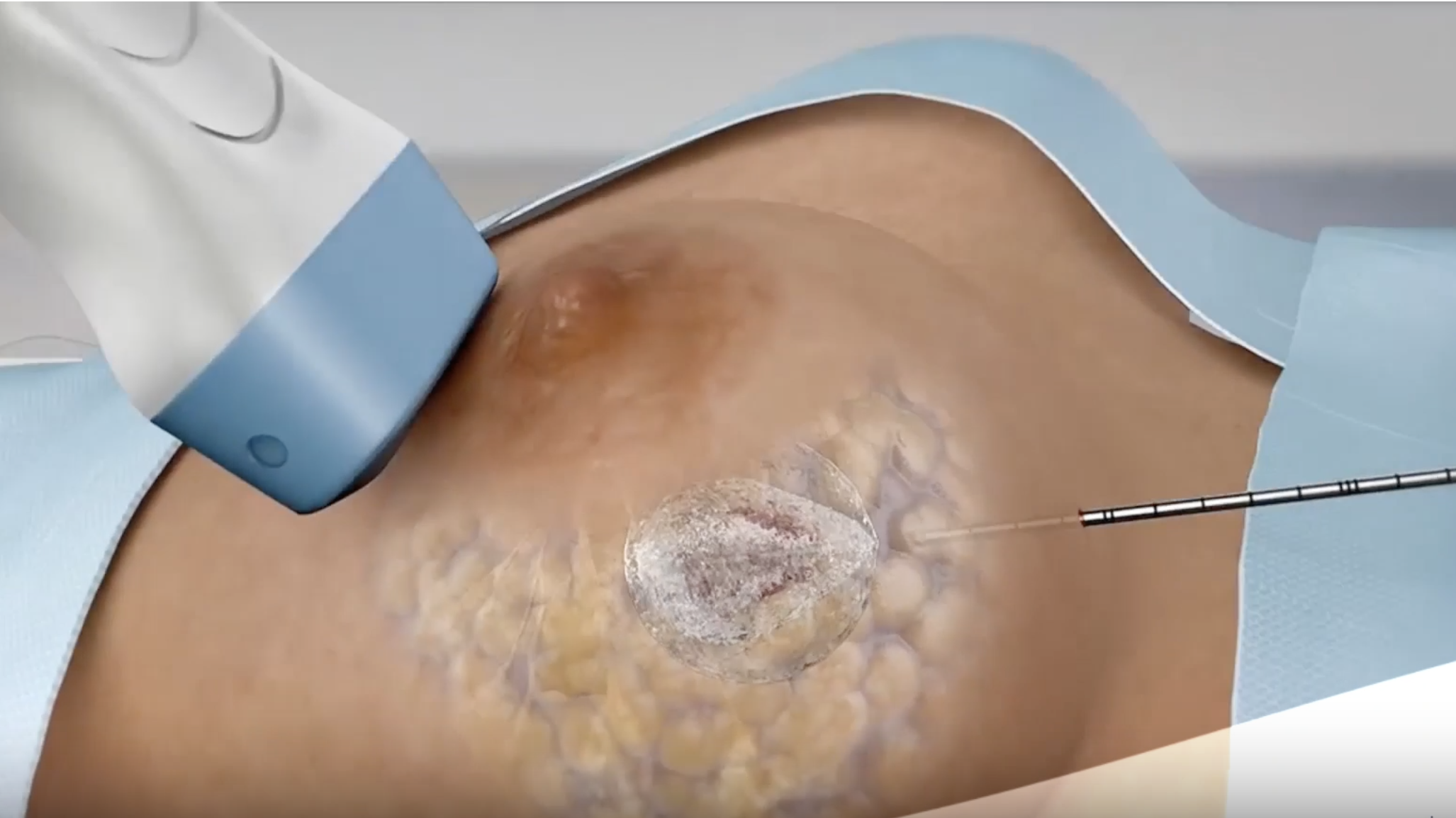
He is internationally recognized in the fields of oncoplastic breast surgery, ultrasound-guided breast interventions, and minimally invasive ablation techniques such as cryoablation and radiofrequency ablation.
Dr. Yılmaz has also pioneered the development and clinical implementation of magnetic localization techniques in breast surgery. He has contributed to the clinical development of magnetic sentinel lymph node detection and magnetic lesion localization technologies.
He actively participates in academic research, surgical training, and international scientific collaborations. He has publications in international peer-reviewed journals, participates in scientific projects, and delivers invited lectures at national and international conferences and educational programs.
CURRENT POSITION
Director – Breast Center
Istanbul Breast Center
Start Date: June 2016 – Present
Continuation >>



- Observe in Front of a Mirror: Check for breast shape, symmetry, skin changes, or any discharge.
- Perform a Self-Exam: Use light pressure and circular motions to check for any lumps or hard areas.
- Use Hormone Therapies Under Medical Supervision: Long-term hormone therapy may increase the risk of breast cancer.
- Avoid Smoking and Alcohol: Tobacco and excessive alcohol use may increase the risk of breast cancer.
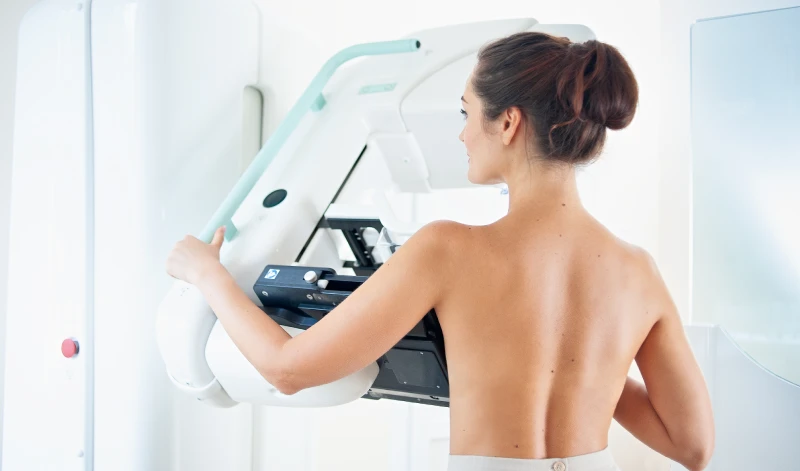
Breast cancer risk depends on many factors, including family history, genetics, age, lifestyle, and hormonal changes. Regular doctor checkups, mammograms, and, when necessary, genetic testing are recommended to assess your risk.
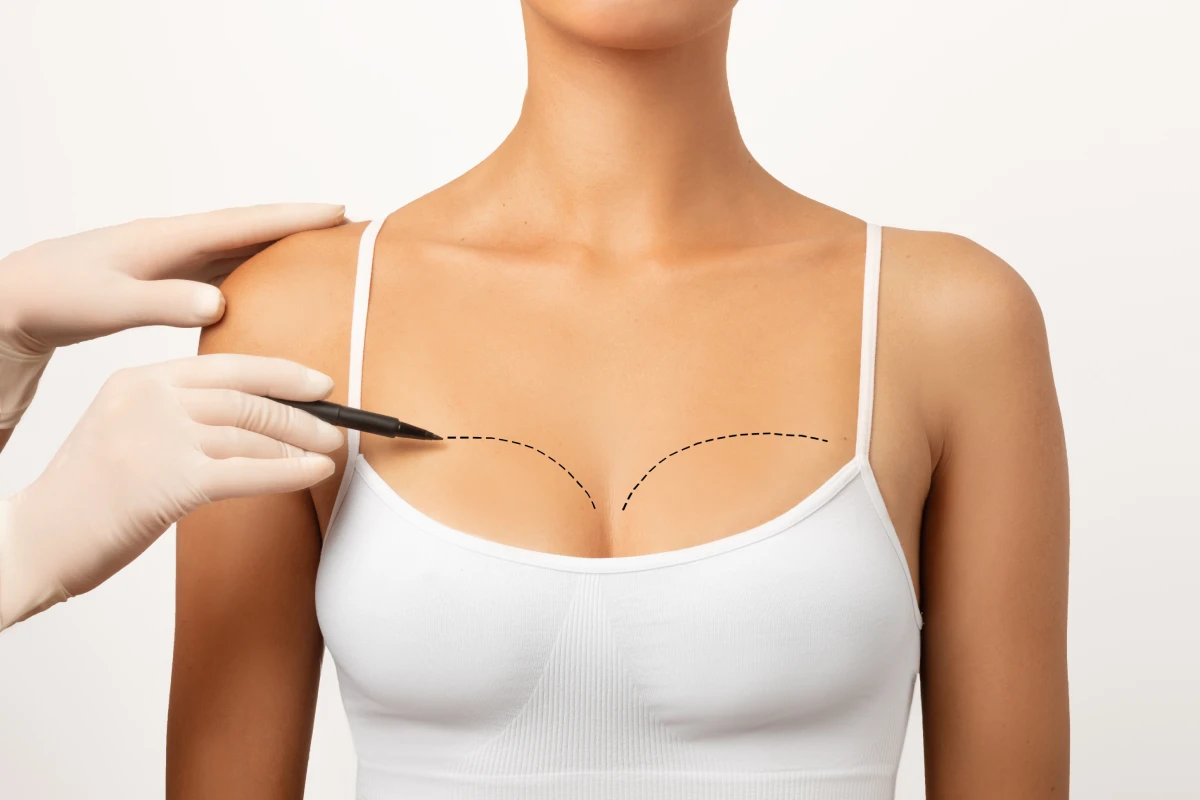
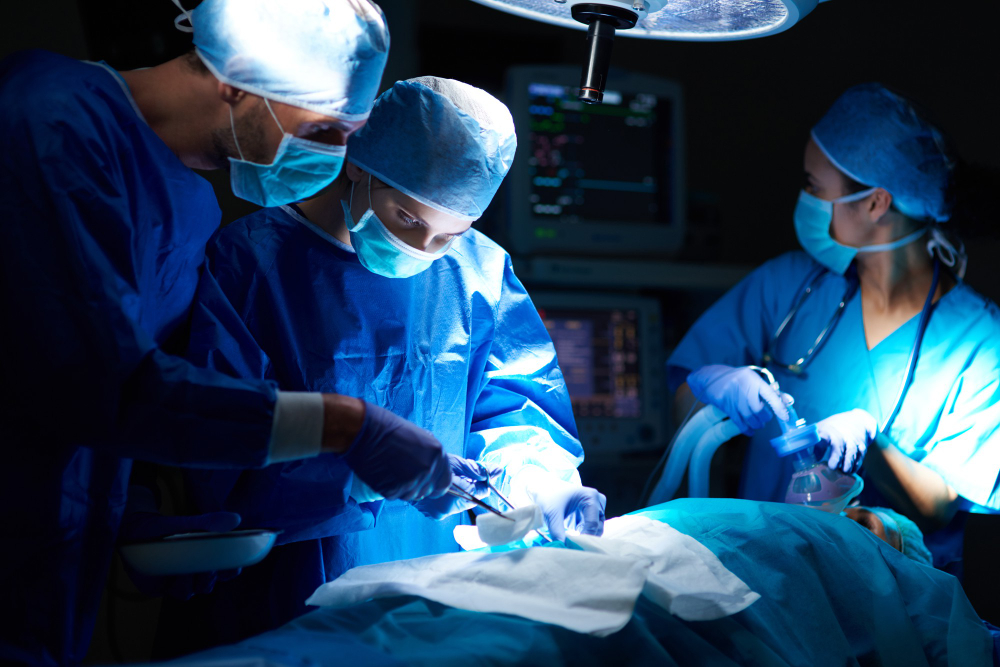
Breast surgery encompasses surgical interventions performed to diagnose and treat benign or malignant breast tumors. The most common procedures include breast cancer, benign masses such as fibroadenomas, cyst removal, and breast reduction or augmentation. Surgical intervention can also be used to treat infections or structural abnormalities in the breast.
If breast cancer is suspected, a biopsy is performed first. If the diagnosis is confirmed, the type of surgery varies depending on the stage and extent of the cancer. The most common procedures include lumpectomy (removal of only the tumor) and mastectomy (removal of the entire breast). If necessary, the lymph nodes under the arm are also removed. These procedures are often complemented by oncoplastic surgical techniques for aesthetic purposes.
Yes, the risk of cancer recurrence after breast surgery isn't completely eliminated. However, this risk can be minimized through complete tumor removal, chemotherapy, radiation therapy, and hormone therapy. Regular checkups with a doctor and follow-up procedures like mammograms and ultrasounds help detect recurring problems early. The surgeon's procedure is a key factor in determining how low this risk will be.







Contact: Ayşegül Uzun Şahin 0549 836 23 48